5 Best Apps to Protect Your Mental Health and Focus
Investing $60 a year in improved focus is a tiny price to pay for the clarity it provides.
In the modern business world, attention is the new currency. If you can’t control your focus, you can’t grow your brand. But there is a darker side to the constant drive for more—the inevitable wall of burnout.
When you work for yourself, there is no HR department to tell you to take a break. You have to build your own safety net.
Today, the market for mindfulness has changed. We have moved past generic whale sounds and into tools that use neurobiology to shift your brain state. Whether you need to calm a racing mind at midnight or find deep focus for a long writing session, these are the tools actually worth the storage space on your phone.
1. Headspace: The Best for Structured Sanity
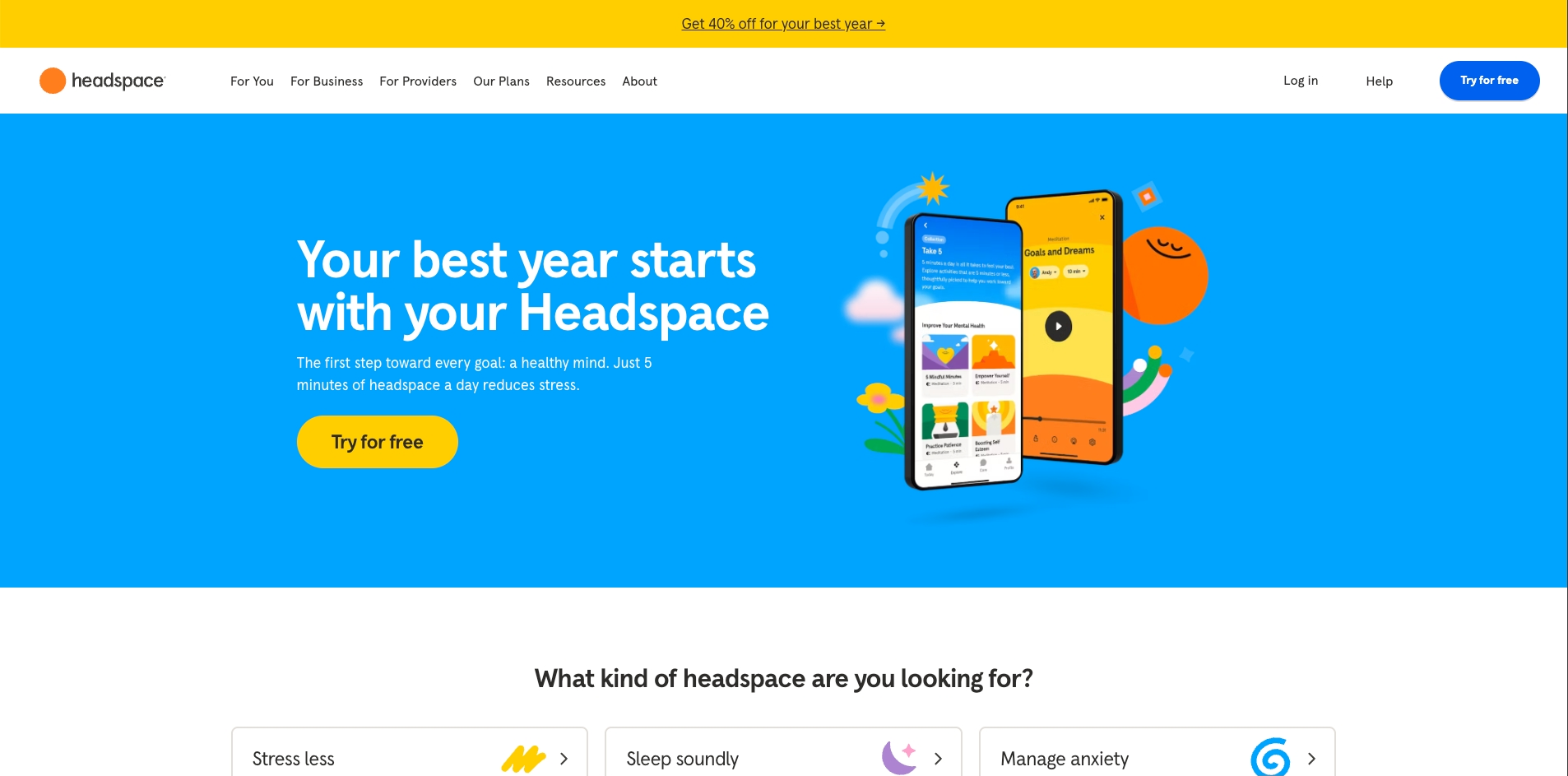
If you are new to the world of mindfulness, Headspace remains a top recommendation.
It’s essentially an operating system for a calm mind. What makes it stand out for entrepreneurs is the structured, course-based approach.
Instead of just sitting in silence, Headspace teaches you the skill of noting distractions without getting swept away by them. In a world of social media pings and "urgent" emails, this skill is a superpower.
I've found the "SOS" sessions to be particularly helpful. When a client cancels or a launch goes sideways, these 3-minute emergency meditations help you reset your nervous system before you send a reactive email. It’s about building a gap between a stressful event and your response to it.
2. Endel: The Best for AI-Powered Flow
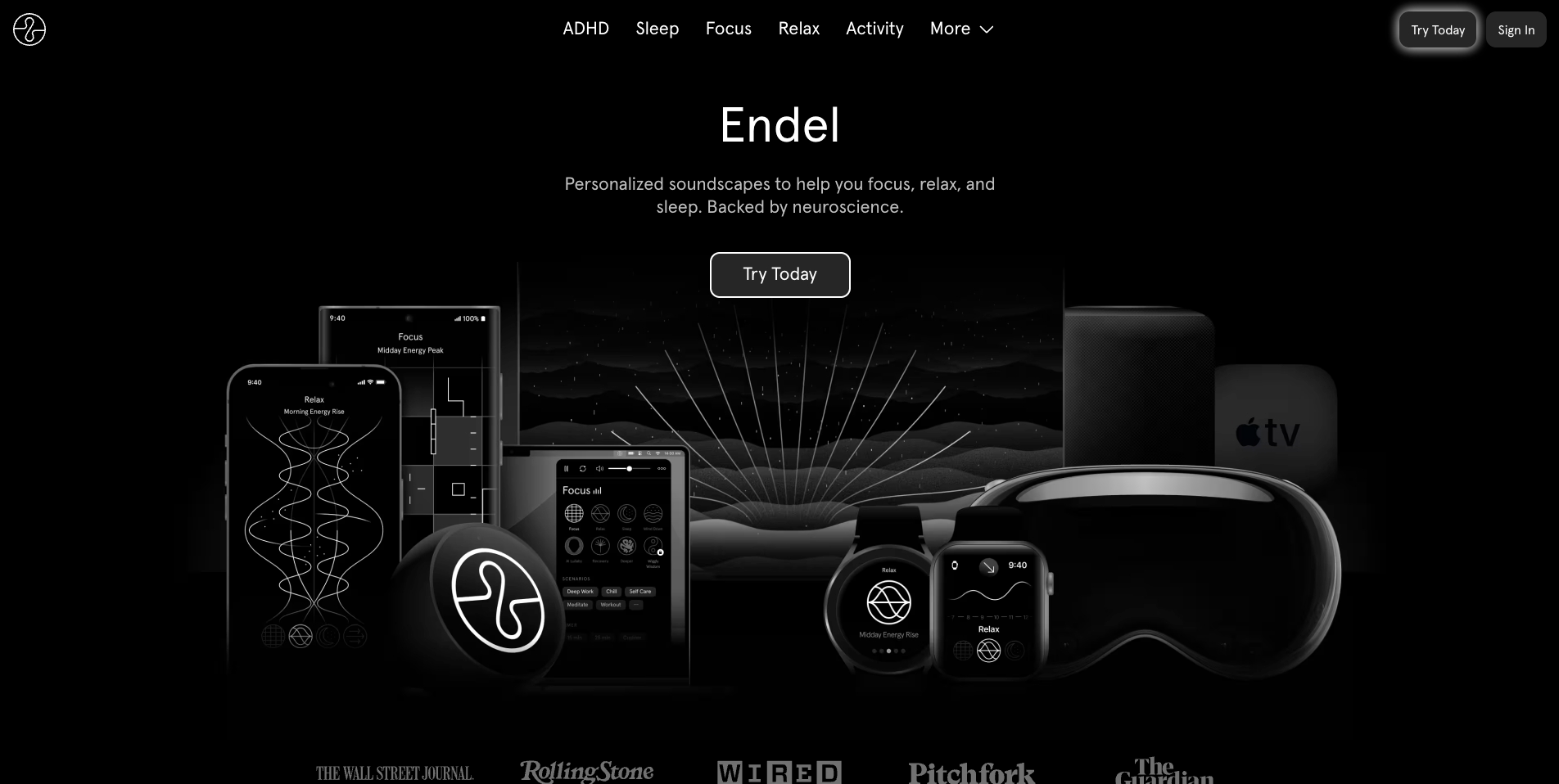
Endel isn't a meditation app in the traditional sense; it’s a generative soundscape engine. It uses AI to create an endless stream of sound designed to help you relax, focus, or sleep.
What makes Endel fascinating in 2026 is its ability to pull data from your environment. It looks at the weather, the time of day, and even your heart rate to adjust the complexity of the sound. It creates a personalized "sound cocoon" that masks the distractions of a home office.
The "Deep Work" mode is my personal favorite. It uses rhythmic modulations that fade into the background, effectively nudging your brain into a flow state without the distraction of lyrics or familiar melodies. It’s perfect for when you need to get into the zone and stay there.
3. Insight Timer: The Best for Variety and Freedom
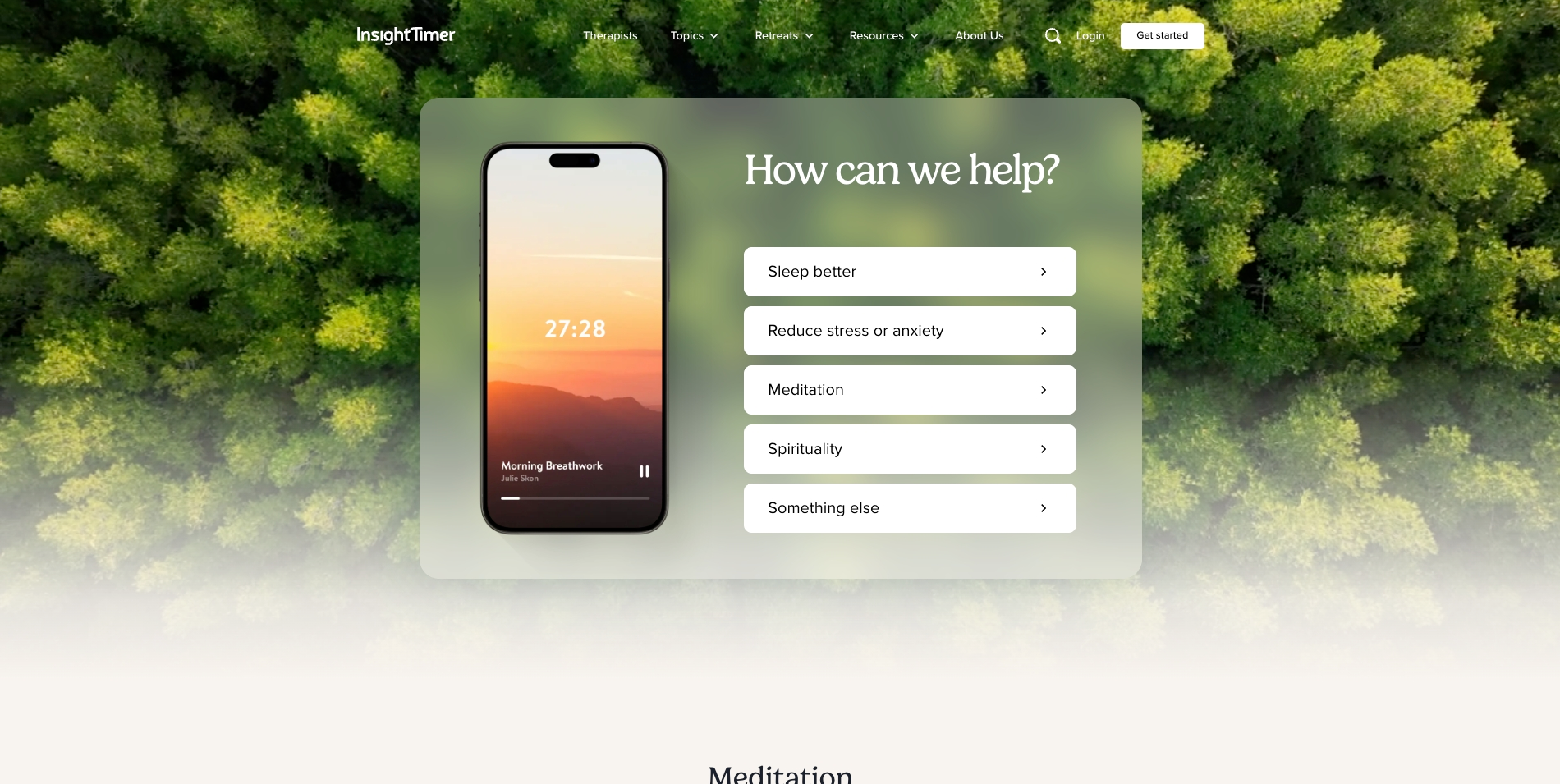
If you prefer to avoid another high-priced subscription, Insight Timer is the best alternative. It hosts the world’s largest free library of guided meditations, with over 150,000 tracks.
Because the content is community-contributed, you can find everything from secular neuroscience lectures to traditional Zen chants. It’s perfect for the independent builder who wants to try different styles without being locked into one specific philosophy.
The customizable timer is a feature I use daily. You can set high-quality ambient sounds—like rain or Tibetan bowls—and a finishing gong. This lets you meditate without a voice in your ear, providing a pure, analog feel in a digital package.
4. Brain.fm: The Best for Pure Productivity
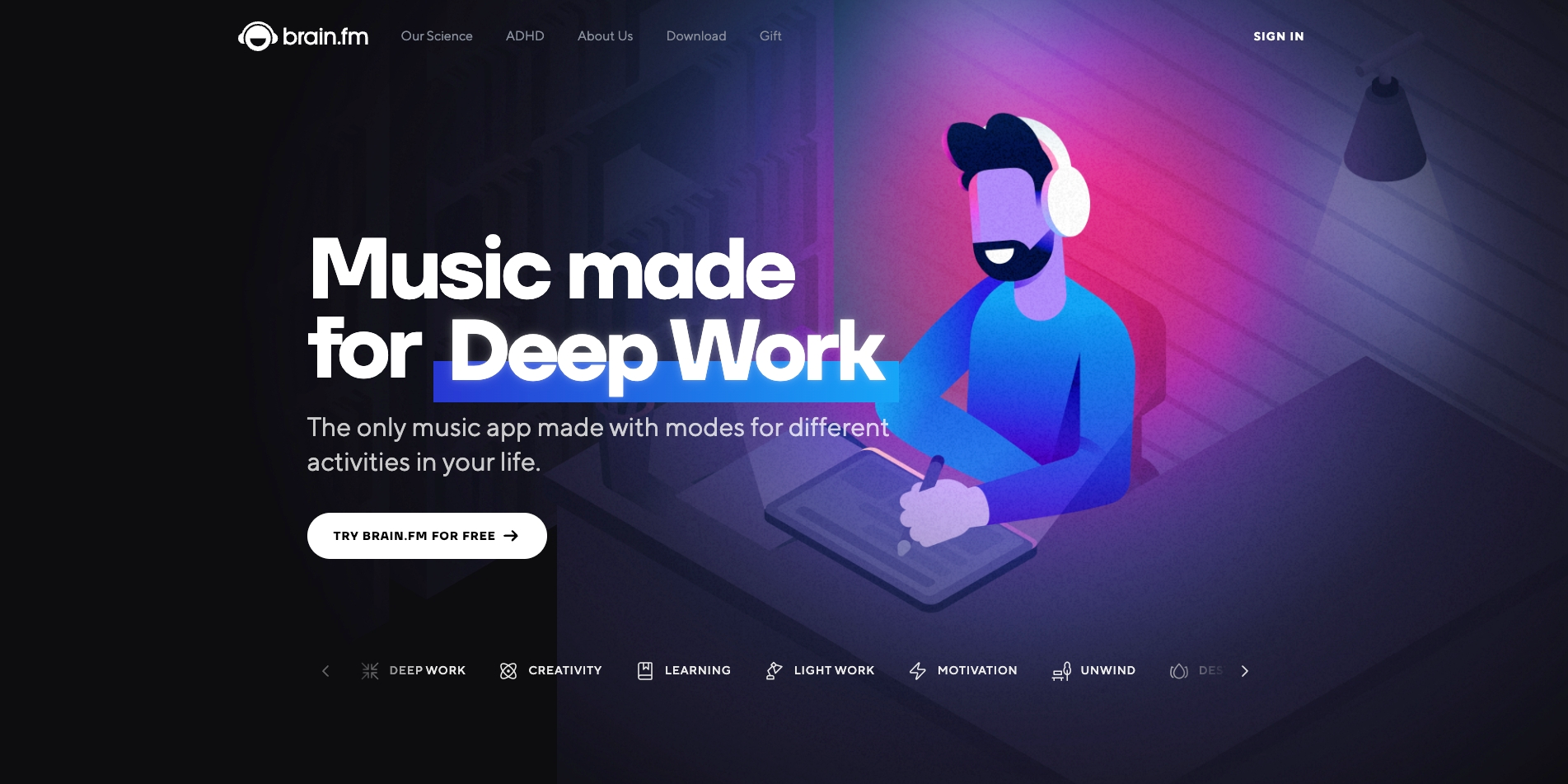
Sometimes you don't want to meditate; you just want to get your work done. Brain.fm uses patented technology to create music that encourages your brainwaves to align with the rhythm of the audio.
Unlike lo-fi beats or white noise, Brain.fm is designed to be "musically intense" but non-distracting. It is specifically engineered to prevent your mind from wandering. It’s a tool for when you have a deadline and zero time for a mental wander.
For those who struggle with "butterfly brains" or constant task-switching, the high-tempo focus settings act like a set of blinkers. It keeps you on track during high-pressure sessions by providing a consistent, driving rhythm that holds your attention in place.
5. Waking Up: The Best for Deep Theory
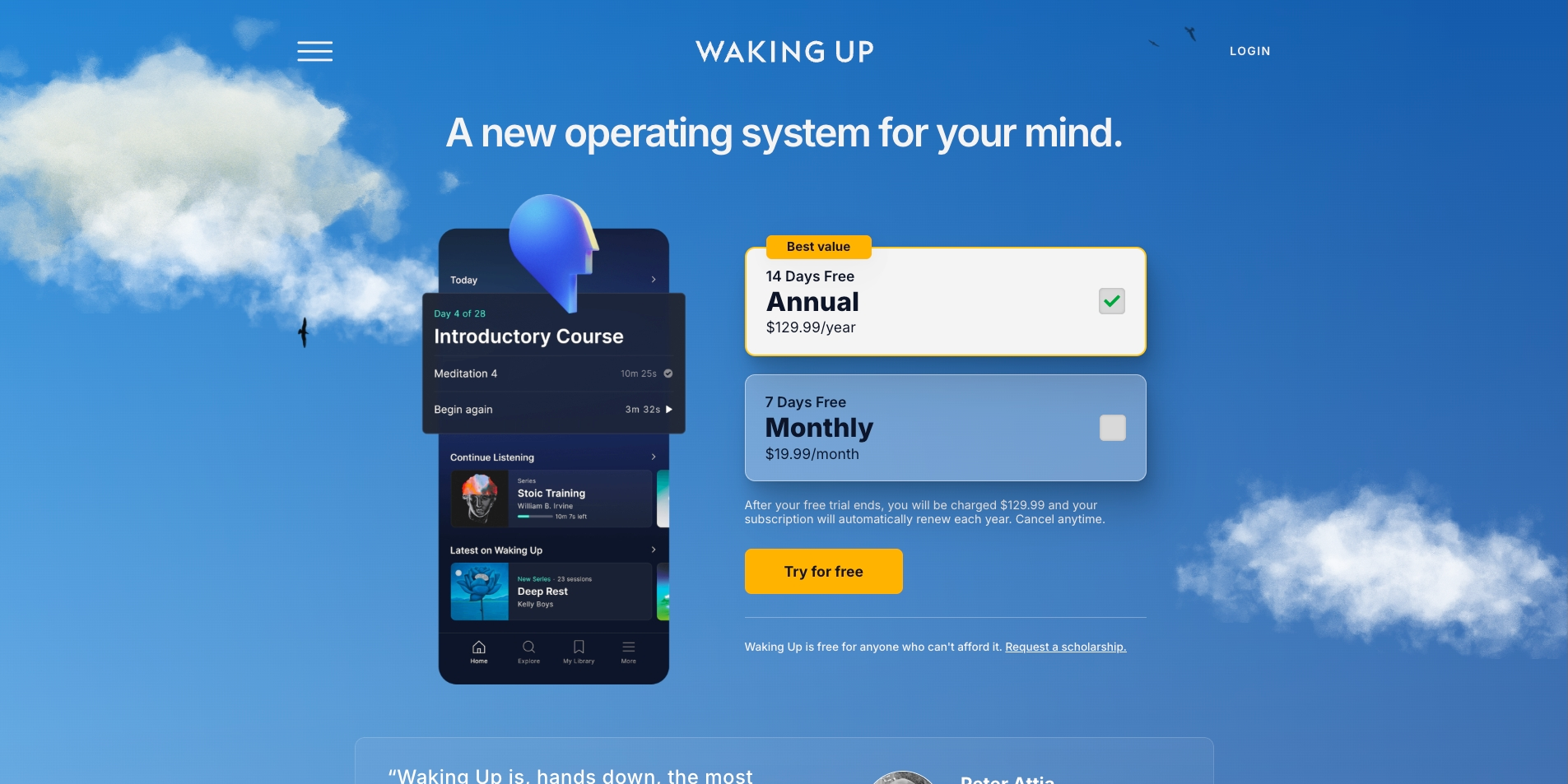
Created by Sam Harris, Waking Up is for the entrepreneur who wants to understand the "why" behind the mind. It’s more of a university for the brain than a simple relaxation app.
It moves past the "feel-good" aspects of mindfulness and dives into the philosophy of the self. If you find standard meditation apps a bit too "soft," the rigorous, secular approach here will likely resonate with you. It’s about mental training, not just stress relief.
The "Moments" feature is a great way to stay grounded. These are random, 1-minute audio reflections sent to your phone throughout the day. They act as a pattern interrupt, forcing you to step out of the autopilot of work for 60 seconds and gain some perspective.
Why Sleep Stages Really Matter for Creators
This ties back to the recovery data we see in tools like the Oura Ring. Burnout isn't caused by working too hard; it’s caused by prolonged stress without recovery. When you use a meditation app for just 10 minutes, you are giving your nervous system a chance to step down from its "high alert" state.
For creators, the REM sleep stage is where the magic happens. This is the period where your brain processes information and forms new creative connections. If you are too stressed to reach deep, restorative REM sleep, your work will feel flat. Meditation apps help lower your baseline stress so your body can actually enter these deep recovery states at night.
The Benefits of Deep Work
In a one-person business, you are the CEO and the employee. If the employee is exhausted, the CEO can’t make good decisions. Investing $60 a year in a focus or meditation tool is a tiny price to pay for the clarity it provides.
Think of these apps as a "mental gym." You are training your brain to stay calm under pressure and to focus on one thing at a time. The ability to do "deep work" is becoming rarer, making it more valuable for those who can master it.
Final Verdict: The Mental Stack
You don't need all five of these apps. In fact, trying to manage too many can add to your stress.
The Recommendation: Start with Insight Timer if you want to explore for free. If you want a tool that helps you stay in the zone during work sessions, trial Endel.
Your mind is the only tool in your business that you can't replace. Treat it with the same respect you give your hardware and your software.
Clear the clutter, pick a tool, and get back to building something that matters.